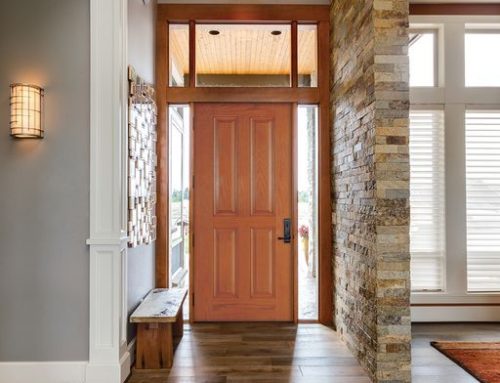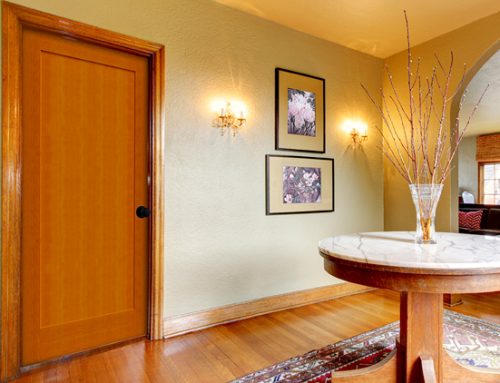
Your front door handles daily traffic, weather exposure, and constant temperature swings, so it’s normal for wear to show up over time. The question is knowing when to repair a door and when to replace a door entirely.
Signs a repair will do
Minor issues rarely mean the whole door needs to go. A sticking door, a loose hinge, or a worn weatherstrip are typically quick fixes. If the door still closes securely, seals properly, and shows no structural damage, a repair can extend its life for years.
Signs it’s time to upgrade
Some problems point to a bigger issue. Persistent drafts even after resealing, visible warping or cracking, rot around the frame, or rising energy bills suggest the door’s core materials have broken down. A repeat repair on the same problem, or a door over 20 years old, is also more likely to need replacement than another fix. A door forced or damaged during an attempted break-in should always be replaced, since the internal structure may no longer offer reliable security. A style or hardware that no longer suits your home is a design reason to upgrade even if the door still functions. Knowing when to replace a door often comes down to weighing these signs together rather than reacting to just one. When in doubt, a professional inspection can confirm the right path.
Why the material matters
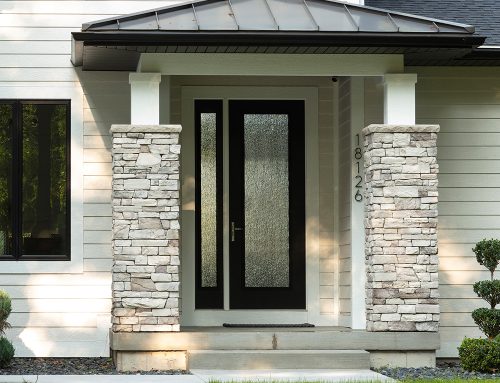
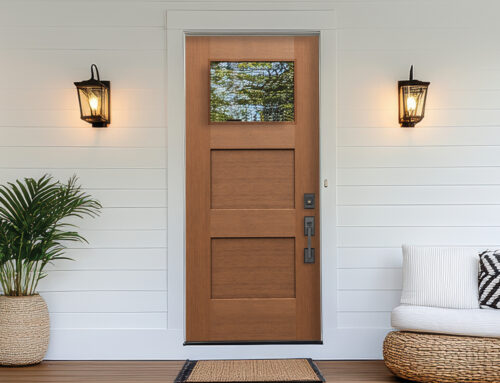
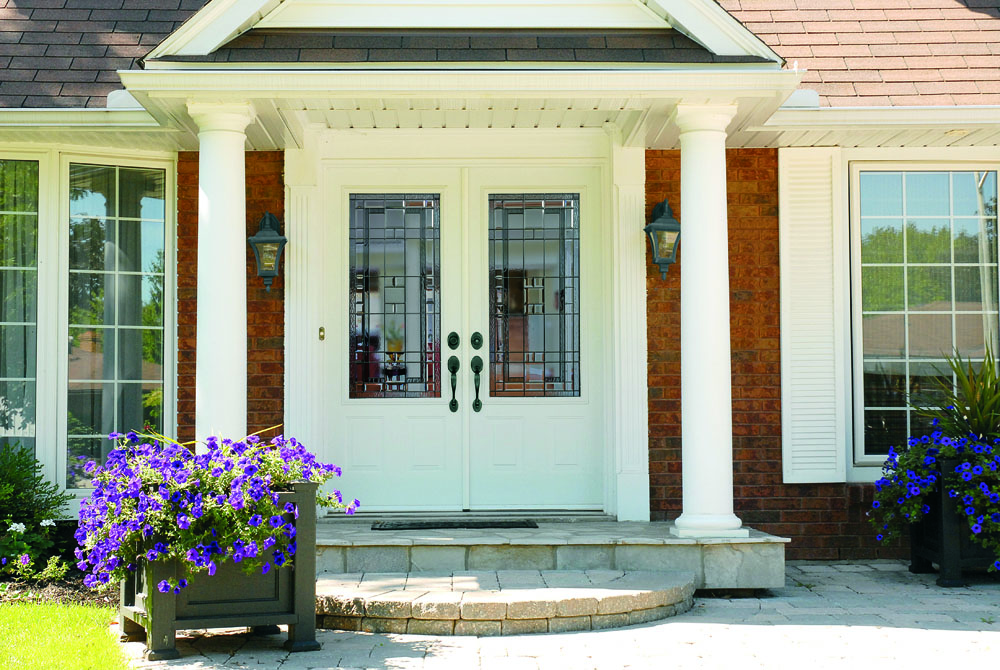
A replacement is a chance to move to a more durable system. Fiberglass doors resist warping and rot far better than older wood doors, while decorative glass inserts bring in natural light without sacrificing security or energy performance.
Making the decision
Once the cost of repeated fixes starts approaching the cost of a new door, an upgrade is usually the better long-term investment. A new door improves curb appeal, security, and energy efficiency all at once.
Ready to explore your options? Find a Trimlite dealer near you to see our exterior door and doorlite collections in person.